
- All
- Product Name
- Product Keyword
- Product Model
- Product Summary
- Product Description
- Multi Field Search
Please Choose Your Language
Views: 0 Author: Site Editor Publish Time: 2026-01-13 Origin: Site


Did you know that the efficiency of your wastewater system can heavily depend on the proper use of a submersible reflux pump? These pumps are a cornerstone in industrial applications like sewage treatment and flood control.
In this article, we will discuss the correct methods for using submersible reflux pumps, ensuring maximum performance, safety, and long-term reliability. You will also learn how to avoid common mistakes and maintain your pump effectively.
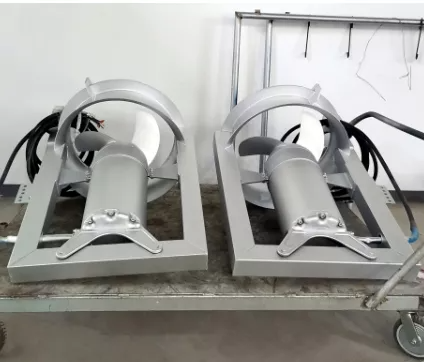
A submersible reflux pump is a type of pump that is designed to operate while completely submerged in the fluid it is pumping. Unlike traditional pumps, which are positioned outside the water source, submersible pumps are placed directly within the fluid. This allows them to handle large volumes of liquids more efficiently and reduces the need for complex suction mechanisms.
The key components of a submersible reflux pump include:
| Component | Description |
|---|---|
| Casing | Protects internal parts from external damage and contamination. |
| Impeller | Converts rotational energy into kinetic energy to move liquid. |
| Motor | Powers the impeller, providing force to move liquids through the system. |
These pumps are used in high-flow, low-head applications, making them ideal for situations where large amounts of water need to be moved with minimal elevation change. This makes them highly suitable for environments like wastewater treatment plants, sewage systems, and various industrial settings.
The operation of a submersible reflux pump is relatively simple but highly effective. Once the pump is submerged in the fluid, the motor drives the impeller. The rotating impeller creates a pressure differential that draws the liquid into the pump casing and pushes it out through the discharge pipe.
In applications like wastewater treatment, the pump is typically used to circulate liquids, such as wastewater or sludge, through various stages of the treatment process. Submersible reflux pumps are also crucial in nitrate reflux pumps, which are used to enhance the denitrification process by promoting the circulation of mixed liquids. This helps reduce nitrate levels in wastewater, ensuring cleaner discharge into the environment.
Applications of submersible reflux pumps include:
Wastewater treatment plants: These pumps help move raw sewage and sludge through the different stages of treatment.
Industrial wastewater systems: Used to handle the removal and treatment of contaminated industrial water.
Nitrate Reflux Pumps: These pumps are essential in the removal of nitrogen compounds in biological treatment systems by ensuring that mixed liquids circulate effectively.
To ensure maximum efficiency, always ensure that the pump is fully submerged during operation. Running the pump dry can cause severe damage to the motor and internal components.
Improper use of a submersible reflux pump can have serious consequences for both its performance and longevity. Operating the pump incorrectly can lead to:
Motor and impeller damage: Dry running, incorrect voltage, or improper installation can damage the motor or impeller, requiring costly repairs or replacements.
Increased wear and tear: Suboptimal operation can cause accelerated wear on components, increasing maintenance costs and downtime.
Operational inefficiency: Improper usage can lead to increased energy consumption and reduced pumping capacity, making the pump less efficient and more expensive to run.
A poorly maintained or improperly operated pump can also result in frequent breakdowns and disruptions in the pumping system, leading to operational delays, unscheduled downtime, and potentially serious consequences in industries such as wastewater treatment, where consistent performance is crucial.
To maximize the efficiency and lifespan of your submersible reflux pump, avoid the following common mistakes:
| Mistake | Consequences |
|---|---|
| Dry running | Causes motor overheating and potential motor failure. |
| Incorrect voltage | Overheating or underperformance, possibly damaging internal components. |
| Frequent start/stop | Puts strain on the motor, leading to accelerated wear and failure. |
Note: Always check the pump for unusual sounds or vibrations during operation. These can be early signs of mechanical failure that can be addressed before they lead to more severe problems.
Before starting the submersible reflux pump, it's crucial to perform some essential checks to ensure everything is in proper working order:
Check the power supply: Ensure that the voltage is within the recommended range. Voltage discrepancies can result in motor failure or operational inefficiencies.
Inspect the pump’s rotation direction: Double-check that the motor’s rotation matches the specified direction. Reversing the motor can cause significant damage to the impeller and other internal components.
| Check Point | Action |
|---|---|
| Power Supply | Verify that voltage is within the recommended range. |
| Rotation Direction | Ensure motor’s rotation matches specified direction. |
| Submersion Level | Confirm pump is fully submerged before starting. |
Once the pre-operation checks are complete, you can begin using the pump. Here’s how to operate the pump properly:
Automatic control: If the system is equipped with an automatic control panel, ensure the pump is set to operate automatically from a central control room. This allows for remote monitoring and control of the pump’s operations.
On-site control: For systems that do not have automatic controls, manually start the pump and ensure it is functioning smoothly. Check for abnormal sounds or vibrations that may indicate issues.
Avoid dry running: Ensure the pump is always submerged in the liquid before turning it on. Running the pump without enough water can cause the motor to overheat and burn out.
While the pump is in operation, it’s important to continuously monitor its performance:
Abnormal noise or vibration: If you hear unusual sounds or feel vibrations, it could indicate a problem with the motor, impeller, or bearings. Address these issues promptly to avoid more serious damage.
Managing backflow issues: In certain applications, such as sewage treatment, backflow may occur. Implement the necessary backflow prevention measures to protect the pump and other connected systems.
After the pump has completed its task, follow these steps to shut it down properly:
Proper shutdown procedures: Turn off the pump and disconnect the power supply. Make sure to follow the manufacturer’s guidelines for shutting down the pump safely.
Routine maintenance: Once the pump is off, clean it thoroughly to remove any debris or sediment that may have accumulated during operation. Inspect the impeller and seals for any signs of wear.
Since submersible pumps operate in wet environments, electrical safety is paramount:
Leakage protectors: Install leakage protectors to automatically cut off the power if there is any leakage, preventing electrical hazards.
Proper grounding: Ensure that the pump is correctly grounded to reduce the risk of electric shock or other electrical malfunctions.
Avoid overloading the pump, as this can cause motor overheating and component failure. To prevent this:
Regularly monitor the pump’s electrical current to ensure it is within the recommended limits.
Avoid pumping fluids with large amounts of solids, as this can increase the load on the pump and cause wear on the motor and impeller.
To prolong the life of your submersible reflux pump, establish a regular maintenance schedule:
Check seals and gaskets: Inspect seals for any signs of damage or wear. Damaged seals can cause leaks and reduce the pump’s efficiency.
Inspect power cables: Ensure the cables are in good condition and are not exposed to wear or damage.
Monitor motor performance: Check the motor regularly for any unusual sounds or vibrations that could indicate internal damage.
If you encounter problems with your pump, follow these troubleshooting steps:
Abnormal noise or vibration: If the pump is making strange noises, check for misalignment of the motor or impeller. Re-align or replace parts as necessary.
Motor overheating: If the motor overheats, ensure that the pump is not overloaded and that the cooling system is working correctly.
Over time, components like seals, impellers, and motors may need to be replaced:
Seals: If water is leaking from the pump, it may be time to replace the seals.
Impellers: Worn impellers can reduce the pump’s efficiency and should be replaced to maintain optimal performance.
Motor: If the motor is overheating or making unusual sounds, it may need to be replaced.
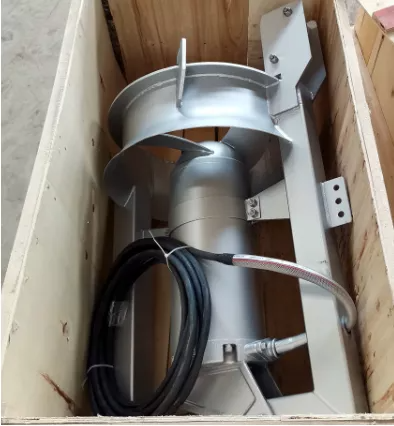
Submersible reflux pumps play a critical role in sewage and wastewater treatment plants. Their ability to pump raw sewage, sludge, and other wastewater materials through various stages of treatment is invaluable in ensuring the effective removal of contaminants. In these facilities, submersible reflux pumps are used to circulate liquids and slurries between different treatment processes, helping to break down organic waste and separate solids from liquids. This continuous circulation is essential for maintaining the efficiency of biological treatment systems, such as those used in the activated sludge process. By effectively moving wastewater, these pumps contribute to better quality effluent and prevent blockages or system failures that could disrupt the treatment process. Their ability to handle both solid and liquid waste makes them ideal for diverse treatment plant operations.
In municipal engineering projects, submersible reflux pumps are indispensable tools for managing water flow, controlling floods, and maintaining clean water systems. They are often used in flood control systems to pump water out of flooded areas and direct it to drainage channels or reservoirs. Their ability to function efficiently even in submerged conditions makes them ideal for applications like stormwater management or wastewater diversion during heavy rains. Additionally, in environmental protection projects, these pumps play a role in water reclamation by facilitating the movement of water through treatment systems designed to remove pollutants and contaminants. Whether it's protecting urban areas from water damage or ensuring that treated water can be safely returned to the environment, submersible reflux pumps are vital for sustainable municipal infrastructure and environmental preservation.
Submersible reflux pumps are widely used in various industrial and commercial applications, from construction sites to mining operations and factories. In industries such as construction, these pumps are used to dewater excavations, basements, and tunnels, removing excess water that can impede progress or cause damage. They are especially useful in areas prone to water accumulation, where water needs to be constantly managed to avoid flooding. In mining operations, submersible pumps help remove water from mine shafts or processing areas, preventing dangerous conditions and ensuring that equipment and machinery remain operational. Additionally, factories and large industrial facilities rely on submersible reflux pumps for managing wastewater generated during production processes. By efficiently removing waste and water from manufacturing operations, these pumps help maintain a clean and safe working environment. Their versatility and reliability make them a go-to solution for managing water in diverse industrial and commercial settings.
The correct usage of submersible reflux pumps is crucial for their long-term efficiency and reliability. By following proper operational and maintenance practices, you can extend the lifespan of the pump and reduce costly repairs. Regular monitoring and avoiding common mistakes ensure smooth performance. Companies like Nanjing LanLing Environmental Technology Co., Ltd. offer products designed to optimize pump efficiency, providing high-quality solutions for wastewater management and environmental protection.
A: A submersible reflux pump is designed to operate while fully submerged in the liquid it pumps, typically used in wastewater treatment, sludge handling, and similar applications. It efficiently circulates liquids or slurries, ensuring smooth operation in submerged environments.
A: To use a submersible reflux pump correctly, ensure it is fully submerged, check the power supply for the correct voltage, and avoid dry running. Regular maintenance and monitoring for abnormal noise or vibrations are also essential.
A: Correct usage ensures the longevity of the pump, minimizes energy consumption, and avoids costly repairs. Following the proper guidelines helps the pump perform efficiently and reduces the risk of breakdowns.
A: A submersible reflux pump handles wastewater and sludge, while a nitrate reflux pump is specifically designed for nitrate removal in biological treatment systems. Both pumps serve critical roles in environmental protection.
A: To prevent damage, ensure the pump is never run dry, avoid excessive voltage fluctuations, and regularly check the pump for signs of wear or blockages. Routine inspections and proper shutdown procedures also help maintain its condition.
A: The cost of submersible reflux pumps varies depending on their capacity and features. Generally, they are a cost-effective solution for managing large volumes of liquid and sludge, offering long-term savings due to reduced maintenance and operational costs.


