
- All
- Product Name
- Product Keyword
- Product Model
- Product Summary
- Product Description
- Multi Field Search
Please Choose Your Language


In the world of manufacturing, achieving a perfect blend is often the difference between a high-quality product and a costly batch of waste. If you have ever wondered, "What is a paddle mixer?" you are likely looking for a solution to handle challenging materials like dry powder, thick pastes, or heavy granules. An Industrial paddle mixer is a specialized blending machine designed to move materials through a combination of lifting, folding, and shearing actions.
Unlike standard blenders that might struggle with density or viscosity, this machine uses a series of paddles mounted on a central shaft to ensure every particle is accounted for. Whether you are in food production, chemical processing, or construction, choosing the right paddle mixer can significantly boost your operational efficiency. We will explore how these machines work, their structural varieties like the Horizontal or Double shaft models, and why they are the go-to choice for high-precision blending.
To truly understand what this machine is, we must look at its movement. A paddle mixer operates using a motor-driven shaft equipped with specifically angled blades. As the shaft rotates, these paddles create a complex flow pattern within the vessel. It isn't just a simple spinning motion; the paddles generate a three-dimensional mixing effect. They lift the material from the bottom, tumble it over the top, and shear it against other particles.
This mechanical action is particularly effective for dry powder blending where particles have different sizes or weights. By creating a "fluidized zone," the Industrial machine allows particles to move freely, preventing the clumping often seen in gravity-fed mixers. We find that this method reduces mixing time significantly while maintaining a high degree of homogeneity. If you deal with sensitive materials that cannot withstand high heat, the gentle yet thorough tumbling of a paddle mixer is an ideal solution.
Not every paddle mixer looks the same. Depending on your throughput requirements and material characteristics, you might choose between a Horizontal single-shaft design or a more complex Double shaft system. These structural differences define the machine's footprint and its mixing intensity.
A Horizontal configuration is the most common for standard industrial applications. The long, cylindrical drum provides ample space for the paddles to move the material across a wide surface area. It is excellent for continuous processing where a steady stream of material needs uniform treatment.
When speed and extreme uniformity are the goals, a Double shaft model is the superior choice. This design features two parallel shafts with overlapping paddles that rotate in opposite directions.
Fluidized Bed: It creates a weightless zone where particles are suspended in the air.
High Speed Blending: The counter-rotation allows for much faster processing times compared to single-shaft units.
Precision: It is the best choice for adding small amounts of liquid to a large volume of dry powder.
| Feature | Single Shaft (Horizontal) | Double Shaft |
| Mixing Speed | Moderate | Very Fast |
| Material Type | Pastes, Granules | Fine Powders, Fragile Goods |
| Space Requirement | Compact | Larger Footprint |
| Intensity | High Shear | High Fluidization |
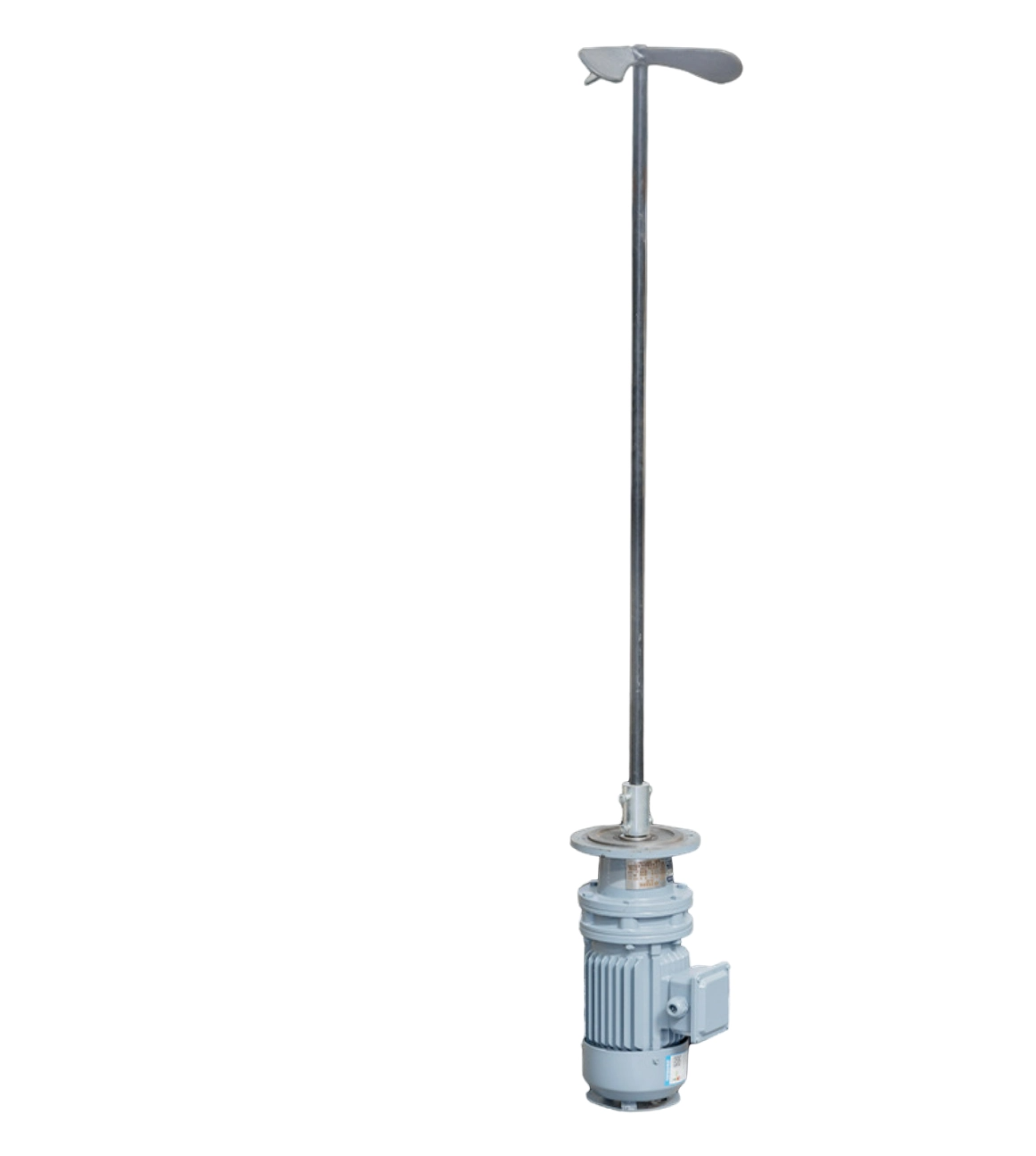
To appreciate the reliability of a paddle mixer, we need to examine the parts that do the heavy lifting. Every component must be robust enough to handle the torque required for viscous materials or heavy ores.
Paddle Blades: These are the heart of the machine. They can be curved for gentle folding or straight for high-impact mixing. Some High speed models feature adjustable angles to fine-tune the flow pattern.
The Drive System: A heavy-duty motor is usually coupled with a high-torque gearbox. In modern setups, a Variable speed drive is essential. It allows operators to slow down for delicate additions or speed up for intensive shearing.
Sealing Mechanisms: Since many paddle mixer applications involve fine chemicals or food, the seals must be leak-proof. Options like mechanical seals or air-purged seals prevent contamination and material loss.
Material Construction: Most units are built from 304 or 316 stainless steel to prevent corrosion and ensure easy cleaning.
Choosing a unit with Variable speed capabilities is especially important for R&D environments. It gives you the flexibility to experiment with different mixing intensities without damaging the material structure.
A paddle mixer is a "workhorse" because it adapts to so many different environments. We see these machines solving unique problems in sectors where consistency is non-negotiable.
In these industries, cleanliness is just as important as the mix quality. A stainless steel paddle mixer is used to blend flour, spices, and nutraceutical powders. The ability to achieve a uniform distribution of micro-ingredients—like vitamins or flavorings—within a massive batch of dry powder is a key advantage.
For the chemical industry, handling viscous pastes or hazardous granules requires a stable, predictable machine. In construction, a Horizontal mixer is often used for dry mortars and cements. It can handle the abrasive nature of sand and stone while ensuring the chemical additives are perfectly dispersed.
Farmers and feed producers rely on the paddle mixer to blend animal feed. It ensures that every pellet or grain contains the exact ratio of nutrients required, preventing "selective feeding" by livestock.
When we compare a paddle mixer to ribbon blenders or vertical mixers, several clear advantages emerge. These benefits directly impact the bottom line of a manufacturing facility.
Uniformity for Diverse Materials: It handles ingredients with varying bulk densities without the heavier particles settling at the bottom.
Reduced Energy Consumption: Because the paddles lift the material rather than just pushing it, the motor requires less power to achieve the same result.
Low Maintenance: The simple, robust design means fewer moving parts to break. The paddles are easily accessible for inspection or replacement.
Customizability: Whether you need a heating jacket for melting fats or a High speed chopper for breaking down lumps, the Industrial paddle mixer can be tailored to your specific process.
We have found that for most dry powder applications, the paddle design offers a 20-30% faster cycle time than traditional ribbon blenders. This efficiency allows for more batches per shift and higher overall productivity.
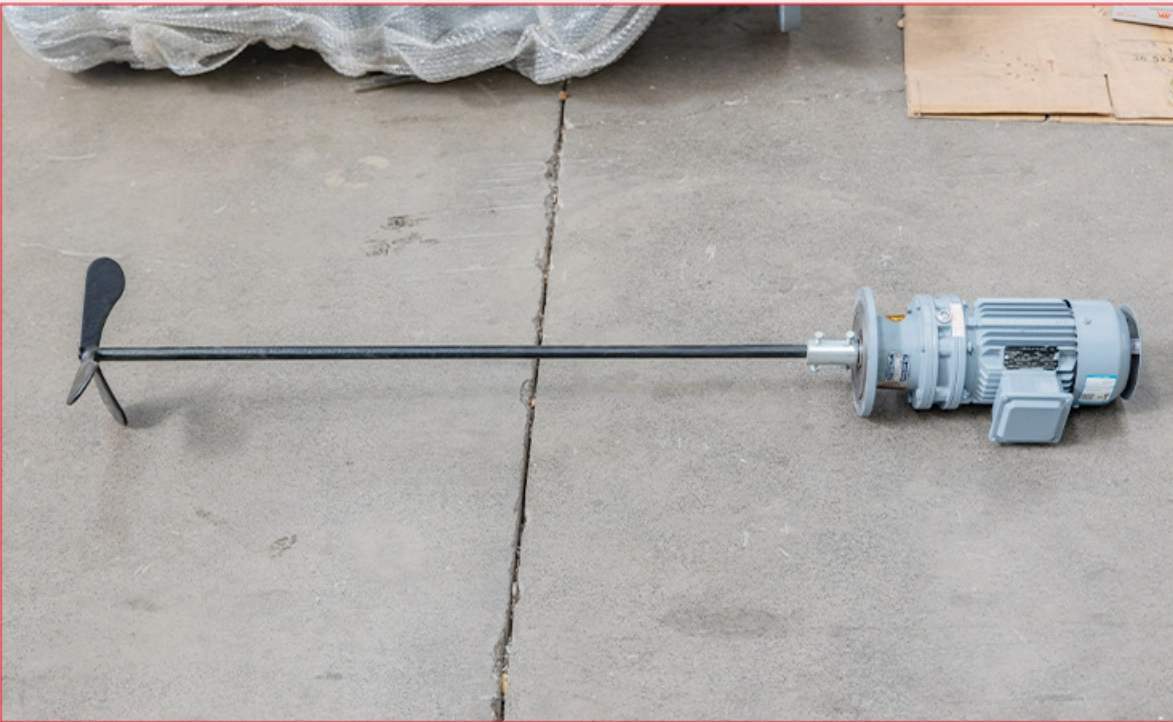
The shape of your paddles should never be a "one-size-fits-all" choice. If you are working with fragile granules, a wide, flat paddle is best to minimize breakage. However, if you are mixing a stiff paste, you need a reinforced, contoured blade that can cut through the material's resistance.
In many Industrial setups, a standard rotation isn't enough.
Variable speed allows for a soft start, protecting the gearbox from sudden torque spikes.
High speed side-entry choppers can be added to the vessel. These small, incredibly fast-spinning blades break up "liquid balls" or agglomerates that the main paddles might miss.
By combining the slow, powerful movement of the main shaft with the localized intensity of High speed choppers, we can achieve a level of precision that was previously impossible in large-batch mixing.
To keep your paddle mixer running at peak performance, certain precautions must be followed. These aren't just suggestions; they are essential for safety and equipment longevity.
Avoid Overloading: Filling the vessel beyond its rated capacity prevents the "fluidized zone" from forming. This leads to poor mixing and can burn out the motor.
Regular Seal Inspection: If you are mixing dry powder, dust can be incredibly abrasive. Check your seals weekly to prevent leakage into the bearing housing.
Lubrication: High-torque gearboxes generate heat. Ensure you are using the correct grade of synthetic oil and changing it according to the manufacturer's schedule.
Cleaning Cycles: For food-grade applications, ensure there are no "dead zones" where material can accumulate and spoil. A well-designed Horizontal mixer will have radiused corners to prevent build-up.
Paddle mixer offer a unique balance of power, precision, and versatility. From the simple Horizontal single-shaft units to the highly advanced Double shaft fluidized bed systems, there is a configuration for every material challenge.
If your process involves dry powder, viscous pastes, or materials with varying densities, the Industrial paddle mixer is likely your best investment. Its ability to provide uniform results with High speed efficiency and Variable speed control makes it a standout choice in a crowded market of mixing equipment.
Q: Can a paddle mixer handle liquids?A: While primarily used for solids and pastes, a paddle mixer can handle liquid additions. It is excellent for coating powders with oils or adding small amounts of moisture to a dry mix. However, it is not intended for low-viscosity liquid-liquid blending like water and juice.
Q: How long does a typical mixing cycle take?A: For a Double shaft paddle mixer, a cycle can be as short as 30 to 60 seconds. For a standard Horizontal unit, it typically takes between 3 to 10 minutes depending on the complexity of the ingredients.
Q: What is the difference between a ribbon mixer and a paddle mixer?A: A ribbon mixer uses a continuous helical blade, while a paddle mixer uses individual blades. Paddles are generally better for heavy, wet, or abrasive materials, whereas ribbons are often used for light, airy powders.
Q: Is easy maintenance possible with these machines?A: Yes. Most Industrial models feature large access doors and bolted-on paddles, making it easy to clean the interior or replace worn components without a full teardown.
Q: Can I use this for fragile materials?A: Yes, by using a Variable speed drive and a fluidized bed design, the paddle mixer can be very gentle, preventing the degradation of delicate crystals or granules.


