
- All
- Product Name
- Product Keyword
- Product Model
- Product Summary
- Product Description
- Multi Field Search
Please Choose Your Language
Views: 259 Author: Site Editor Publish Time: 2026-02-21 Origin: Site


Operating an Industrial paddle mixer requires more than just flipping a switch. It is a precise science that ensures your dry powder, viscous pastes, or chemical granules reach a state of perfect homogeneity. Whether you are using a Horizontal single-shaft model or a high-capacity Double shaft paddle mixer, understanding the nuances of operation is key to product quality and machine longevity.
This guide provides a comprehensive roadmap for using a paddle mixer effectively. We will cover everything from pre-start inspections to optimizing your mix for High speed production. By following these professional steps, you will minimize downtime, reduce energy waste, and ensure a safe working environment. Let's dive into how you can get the most out of your mixing equipment.
Before you introduce any material into the vessel, a thorough inspection is mandatory. We have seen many operators skip this step, only to face mechanical failure mid-cycle. The goal here is to ensure the Industrial machine is clean, lubricated, and structurally sound.
First, check the paddle blades. Are they securely attached to the mixing shaft? Even a slightly loose blade can cause catastrophic damage when rotating at High speed. Next, inspect the sealing mechanism. Whether your unit uses mechanical seals or packing seals, they must be tight to prevent leaks, especially when handling fine dry powder.
Lubrication: Verify that the gearbox and drive system are well-lubricated. Lack of oil leads to excessive heat and friction.
Alignment: Ensure the motor and shaft are perfectly aligned. Misalignment causes vibration that wears out bearings prematurely.
Clearance: Check the gap between the paddle tips and the vessel wall. It should be consistent to avoid "dead zones" where material builds up.
The way you load your paddle mixer determines the efficiency of the entire cycle. Overloading is the most common mistake. It smothers the paddles, preventing the "tumbling and shear" motion required for a uniform blend. Most Horizontal mixers perform best when filled to between 40% and 70% of their total volume.
When dealing with a multi-component mix, the order of addition matters. Generally, you should load the base material (the largest volume) first. Once the shaft begins to turn at a low or Variable speed, you can introduce minor ingredients or additives. This prevents small amounts of high-value powders from getting trapped in corners before they can be dispersed.
| Material Type | Loading Method | Critical Tip |
| Dry Powder | Gravity or Pneumatic | Avoid "dust clouds" by using a sealed intake. |
| Granules | Gentle pour | Prevent crushing by starting at a lower speed. |
| Viscous Pastes | Direct injection | Ensure paddles are already in motion to avoid motor stall. |
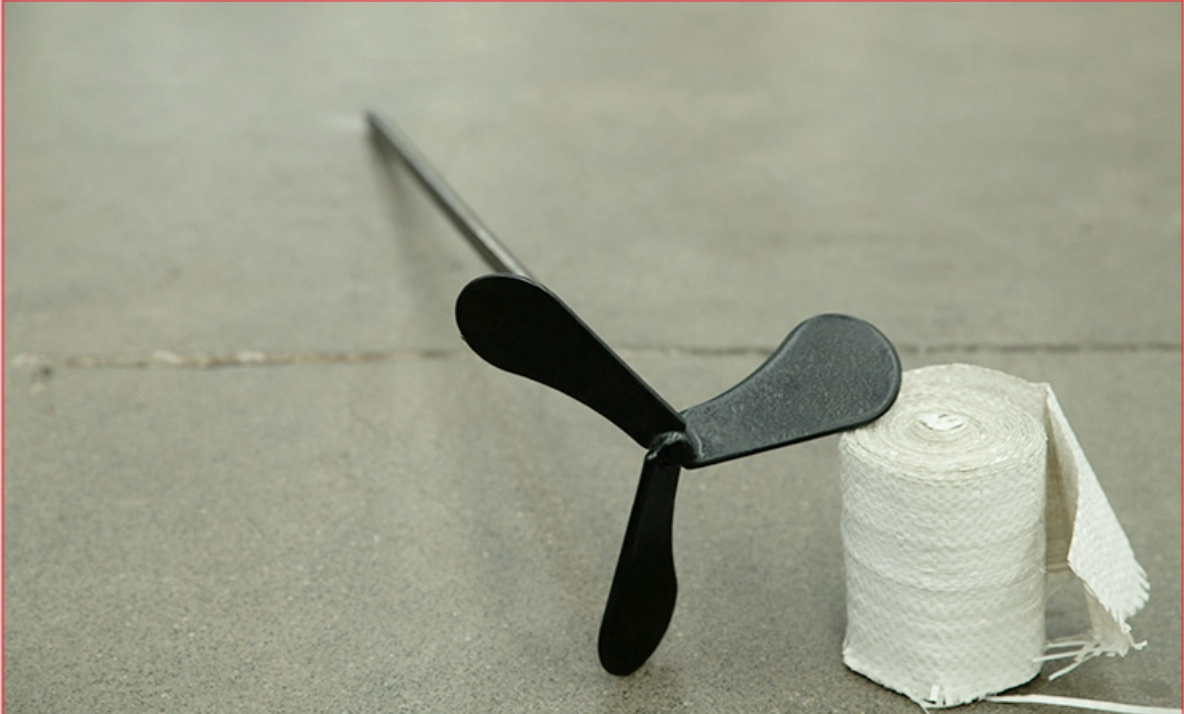
Modern Industrial mixing often requires more than a single constant rotation. This is where the power of a Variable speed drive comes into play. It allows you to tailor the shear force to the specific physical properties of your batch.
Starting the paddle mixer at a lower RPM reduces the initial torque load on the motor. As the material begins to flow, you can increase the speed to reach the optimal "fluidized" state. This is particularly useful for sensitive materials that might degrade if hit with high-impact forces immediately. Using a Variable speed approach also helps when you need to spray liquids into a dry powder base, as it allows for a more controlled absorption rate.
In some complex formulations, the main paddles are not enough to break up stubborn lumps or "liquid balls." Many Double shaft or Horizontal mixers are equipped with side-entry High speed choppers.
Agglomerate Breakdown: These smaller blades spin much faster than the main shaft to shear lumps.
Color Dispersion: They are essential for spreading pigments evenly throughout a batch.
Intensive Mixing: Turn these on only during the middle phase of the cycle to avoid over-processing the entire load.
Once the paddle mixer is loaded and running, monitoring becomes your primary task. You aren't just waiting for a timer to go off; you are looking for signs of a successful blend. A standard cycle for a Double shaft paddle mixer might be as fast as 60 seconds, while a Horizontal single-shaft unit might take 5 to 8 minutes.
Pay attention to the sound of the machine. A smooth, rhythmic hum indicates a healthy mix. Any grinding or heavy thumping suggests that material is clumping or the motor is struggling with an overload. We also recommend monitoring the temperature. If you are mixing heat-sensitive chemicals, the friction from the paddles can raise the internal temperature. If this happens, you may need to utilize a cooling jacket or adjust to a slower Variable speed.
Expert Note: To verify the mix, take samples from different parts of the vessel—top, middle, and discharge gate. If the samples match in composition, your cycle time is optimized.
The job isn't done until the paddle mixer is empty and clean. The discharge gate, usually located at the bottom of the Horizontal drum, should open smoothly to allow gravity to pull the material out. If you are handling dry powder, use a vibration assist or a "bomb-bay" door for a 100% clean-out.
Cleaning is the most critical part of maintenance, especially in the food or pharmaceutical sectors. A stainless steel paddle mixer is preferred here because it resists corrosion from cleaning agents.
Dry Clean: Use compressed air or brushes to remove leftover powder.
Wet Clean: If cross-contamination is a risk, perform a full wash-down.
Inspection: Check the paddles for any stuck material, as "dead zones" can lead to bacteria growth or batch contamination.
Regular cleaning also allows you to inspect the blades for wear and tear. A worn paddle loses its "lifting" efficiency, which will slowly degrade your mix quality over time.
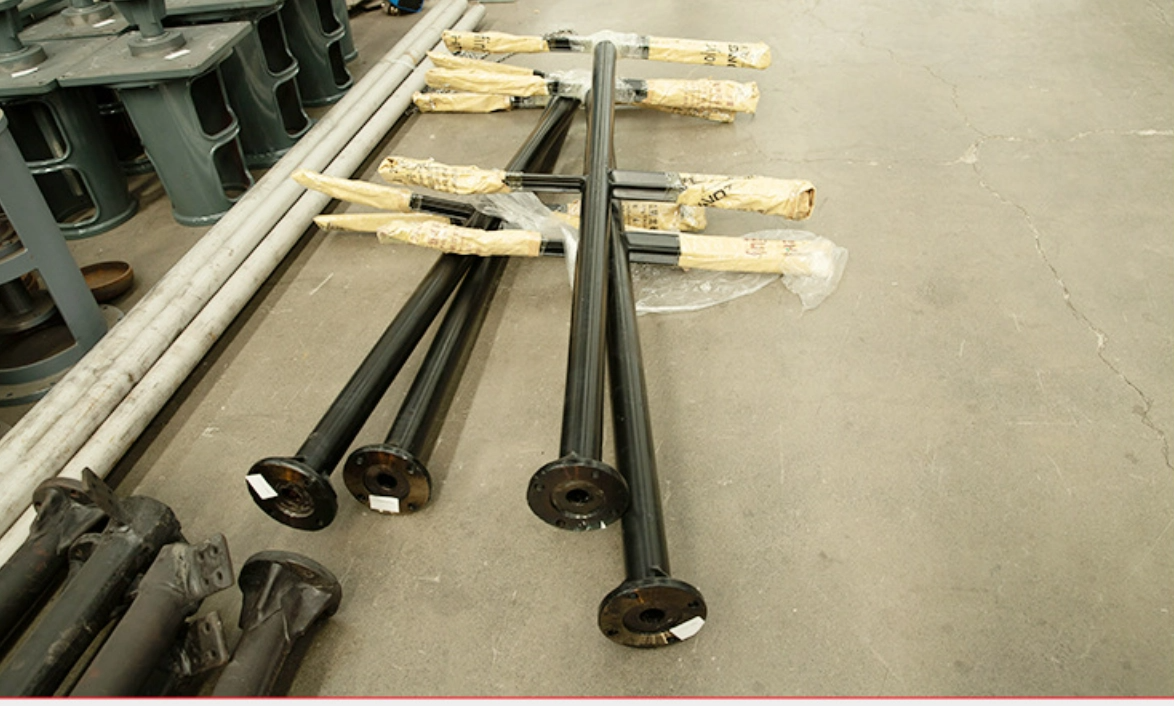
Operating a paddle mixer involves moving parts and high torque, making safety paramount. Always ensure that the "interlock" system is functional. This prevents the machine from starting if the inspection hatch is open. We cannot stress this enough: never reach into the vessel while the motor is energized.
Material Clumping: This often happens if the moisture content is too high. Increase the Variable speed or activate the High speed choppers.
Excessive Vibration: This usually means the mixing shaft is bent or the base is not level. Stop the machine immediately to prevent bearing failure.
Motor Overheating: Check if the mixer is overloaded. If the fill level is correct, the material might be more viscous than the motor can handle.
Leaking Seals: This is common with fine dry powder. Tighten the packing gland or replace the mechanical seal face.
By maintaining a rigorous schedule of inspections and adhering to these operational guidelines, you ensure that your paddle mixer remains a reliable asset for years.
Learning how to use a paddle mixer correctly transforms it from a simple machine into a precision tool. By focusing on proper loading, utilizing Variable speed controls, and maintaining a strict cleaning regimen, you protect your investment and your product. Whether you are running a Horizontal unit for cement or a Double shaft system for pharmaceuticals, these principles of Industrial mixing remain the same.
Efficiency comes from understanding the relationship between the paddle blades and the material. With the right approach, you can reduce cycle times and achieve a level of uniformity that keeps your customers satisfied.
Q: Can I change the paddle blades for different materials?A: Yes. Most Industrial mixers allow you to swap or adjust the angle of the blades. Curved blades are better for folding, while straight blades provide more shear for heavy pastes.
Q: How do I know the optimal speed for my dry powder?A: It depends on the particle size. Start at a low speed and gradually increase. You want to see the material "flipping" and "tumbling," not just sliding along the bottom of the drum.
Q: Is it safe to add liquids while the mixer is running?A: Yes, but it should be done through a spray bar or a dedicated injection port. Adding a large "bucket" of liquid all at once can cause the motor to stall or create large clumps.
Q: Why is my Horizontal mixer taking so long to blend?A: Check the fill level. If it is too full, there isn't enough air space for the particles to move. Also, check for worn paddles that may be slipping through the material rather than lifting it.
Q: What is the benefit of a Double shaft over a single shaft?A: A Double shaft paddle mixer creates a fluidized zone that allows for much faster mixing (often under 60 seconds) and is gentler on fragile granules.


