
- All
- Product Name
- Product Keyword
- Product Model
- Product Summary
- Product Description
- Multi Field Search
Please Choose Your Language
Views: 226 Author: Site Editor Publish Time: 2026-02-17 Origin: Site


In the complex world of industrial manufacturing, achieving a perfectly homogeneous blend is a science. An Industrial paddle mixer is more than just a stirring tool; it is a high-precision engineering marvel designed to solve the problem of material segregation and inconsistent batch quality.
From the food on your table to the medicine in your cabinet, this machine plays a silent but vital role. We see it used across sectors where precision and efficiency are non-negotiable. Whether it is a Horizontal single-shaft setup or a high-intensity Double shaft system, these mixers are built to handle the heavy lifting of modern production lines. In this guide, we will explore the specific industrial problems this machine solves and why it remains the gold standard for diverse material processing.
One of the primary uses of a paddle mixer is the high-stakes world of dry powder processing. In the construction industry, creating a consistent dry mortar or cement blend requires more than just movement; it requires the intense shearing and tumbling action that only a paddle mixer provides. Without it, heavier additives would settle at the bottom, leading to structural weaknesses in the final building materials.
In the chemical sector, we use these machines to blend active ingredients with fillers. Because many chemical powders have different bulk densities, a standard blender might fail to integrate them. The Horizontal paddle mixer creates a "fluidized zone" where particles are suspended in the air, allowing even the smallest percentage of an additive to be distributed evenly throughout the entire batch. This level of precision prevents chemical "hot spots" and ensures every kilogram of product meets safety standards.
When we talk about food and medicine, "close enough" is never acceptable. A paddle mixer is used here to ensure that every single scoop of baby formula or every tablet of medicine contains the exact same ratio of ingredients. The Industrial design of these machines often features high-grade stainless steel to meet strict hygiene requirements.
Food Processing: We use it for mixing flour, spices, and semi-liquid batters like dough. Its ability to handle different viscosities makes it perfect for adding liquid flavorings to dry bases without forming lumps.
Pharmaceuticals: It prepares granular medicines where the integrity of the granule is vital. A Variable speed paddle mixer allows operators to start slowly to prevent damage to fragile crystals before ramping up for a final blend.
By utilizing High speed choppers—often integrated as auxiliary components—producers can break down agglomerates in real-time. This ensures a smooth, lump-free texture that is essential for both consumer satisfaction and medical efficacy.
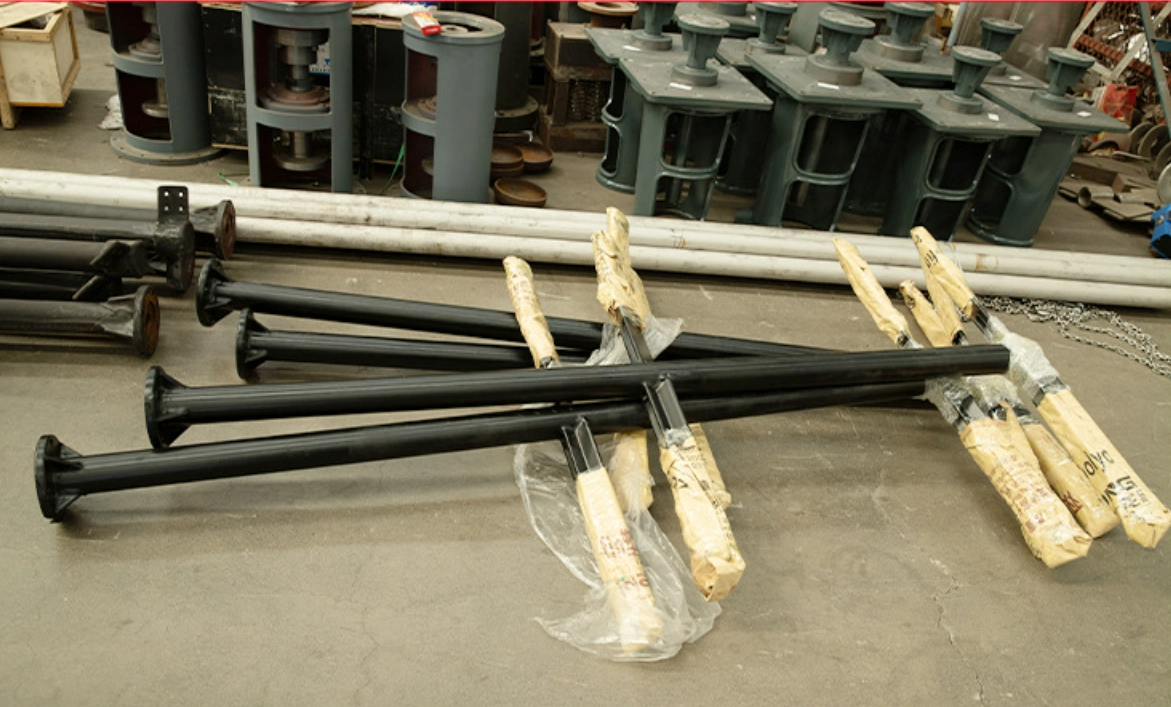
One of the most difficult tasks in manufacturing is mixing a solid into a thick liquid to create a paste. A paddle mixer excels here because its blades are designed to "plow" through the material. Unlike ribbon blenders that might get bogged down by high viscosity, the paddle design cuts through the resistance, promoting convection and shear.
In industries like agriculture, this is how we create nutrient-rich soil conditioners and animal feed pastes. The motor-driven shaft transmits massive torque through a gearbox, allowing the paddles to lift and fold heavy, wet materials. We often see a Horizontal design used for these applications because it provides a large surface area for the material to travel, ensuring that moisture is locked into every particle of the dry base. This prevents the "clumping" that often ruins industrial slurries.
When a business needs to move from batch processing to high-volume production, they often turn to the Double shaft paddle mixer. This machine features two parallel shafts with overlapping paddles. It doesn't just mix; it creates a weightless environment known as a fluidized bed. In this zone, the mixing occurs in seconds rather than minutes.
The Double shaft configuration is used when the objective is maximum throughput without sacrificing quality.
Uniformity: It achieves 99% homogeneity in a fraction of the time.
Gentle Handling: Despite being High speed, the weightless zone reduces friction, meaning fragile materials are less likely to be crushed.
Variable speed: Operators can adjust the rotation to match the specific gravity of the materials being blended.
For companies dealing with high-cost ingredients, the reduced mixing time of a Double shaft unit means less heat generation. This is critical for materials that might melt or degrade when exposed to the friction of a longer mixing cycle.
The reason a paddle mixer is used in so many different ways is its incredible adaptability. Manufacturers can customize almost every aspect of the machine to solve specific production bottlenecks.
| Component | Variation | Specific Use Case |
| Paddles | Curved or Straight | Curved for folding; Straight for high-shear impact. |
| Materials | Stainless vs. Carbon Steel | Stainless for food/pharma; Carbon for abrasive construction. |
| Seals | Mechanical or Packing | Mechanical for liquid-tightness; Packing for dust control. |
| Drive | Variable speed | Allows for multi-stage mixing in a single batch. |
This customization is why we see the paddle mixer in both the heavy-duty world of mining—mixing ores and minerals—and the delicate world of cosmetic manufacturing—mixing powders for makeup. It is a chameleon of the industrial world, able to be a gentle tumbler one day and a high-intensity shearer the next with just a few mechanical adjustments.
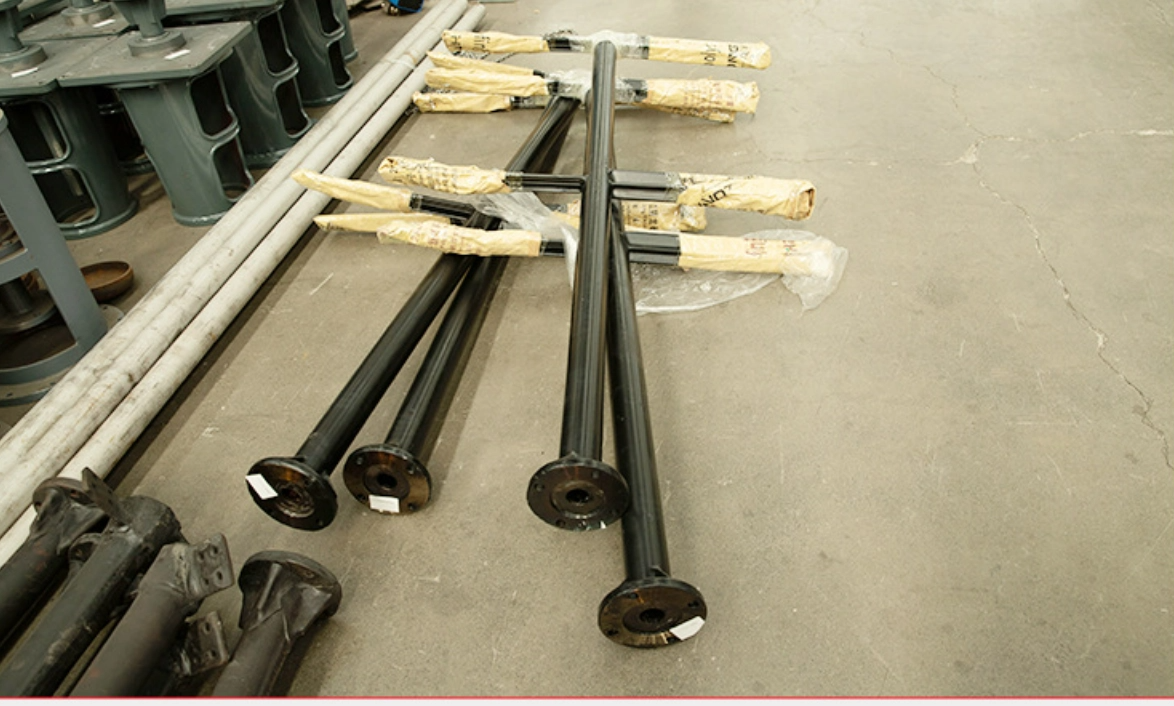
Beyond the "what," we must look at the "how." Why is the paddle mixer used instead of other, perhaps cheaper, alternatives? The answer lies in the total cost of ownership. Because the structure is simple—a shaft, some paddles, and a drum—it is remarkably easy to maintain.
Easy assembly: Modern units are designed so that paddles can be replaced or adjusted without tearing down the whole machine.
Reduced Energy: Because the paddles move the material efficiently through a fluidized path, the motor doesn't have to work as hard as it would to push a solid mass.
Durability: Using high-strength alloys ensures that the mixing shaft can transmit the necessary torque for years without fatigue.
We find that these machines minimize downtime. In an industry where one hour of a stopped production line can cost thousands of dollars, the reliability of a Horizontal paddle mixer is its most valuable feature.
So, what is a paddle mixer used for? It is used to solve the toughest blending challenges in modern industry. It provides the high-precision distribution needed for pharmaceuticals, the rugged power required for construction, and the high-volume speed necessary for the food industry.
By choosing between Double shaft speed and Horizontal stability, and by utilizing features like Variable speed control, manufacturers can ensure their materials are always perfectly blended. If you deal with dry powder, pastes, or granules, the paddle mixer isn't just an option—it is a necessity for maintaining the quality and safety of your products.
Q: Can a paddle mixer handle wet and dry materials simultaneously?A: Yes. It is frequently used for "wetting" applications where a small amount of liquid is sprayed onto a dry powder base. The paddles ensure the liquid is absorbed evenly without creating wet clumps.
Q: What is the benefit of a Variable speed drive on a paddle mixer?A: A Variable speed drive allows you to start the mix slowly to protect the motor and ingredients, then speed up to achieve a specific flow pattern, and finally slow down for a safe discharge.
Q: Is a paddle mixer better than a ribbon mixer for abrasive materials?A: Generally, yes. The individual paddles are easier to replace and can be coated with wear-resistant materials more effectively than a continuous ribbon.
Q: How do I know if I need a Double shaft or a single shaft mixer?A: If your primary goal is speed and a fluidized mix for fine powders, go with a Double shaft. If you are handling thick pastes or need a simpler, more compact Horizontal setup, a single shaft is usually sufficient.
Q: Can these mixers handle fragile materials?A: Yes. By adjusting the paddle angle and using a lower speed, the paddle mixer can be surprisingly gentle, making it suitable for delicate cereals or crystalline chemicals.


