
- All
- Product Name
- Product Keyword
- Product Model
- Product Summary
- Product Description
- Multi Field Search
Please Choose Your Language
Views: 0 Author: Site Editor Publish Time: 2026-01-06 Origin: Site


Submersible pumps play a vital role in water treatment, but what makes the submersible reflux pump so unique? These specialized pumps are designed to handle large volumes of mixed liquids, such as sewage, efficiently.
In this article, we will explore how these pumps function, their key features, and why they are essential in wastewater treatment and flood control systems. By the end, you will gain insights into how the submersible reflux pump improves operational efficiency in various industries.
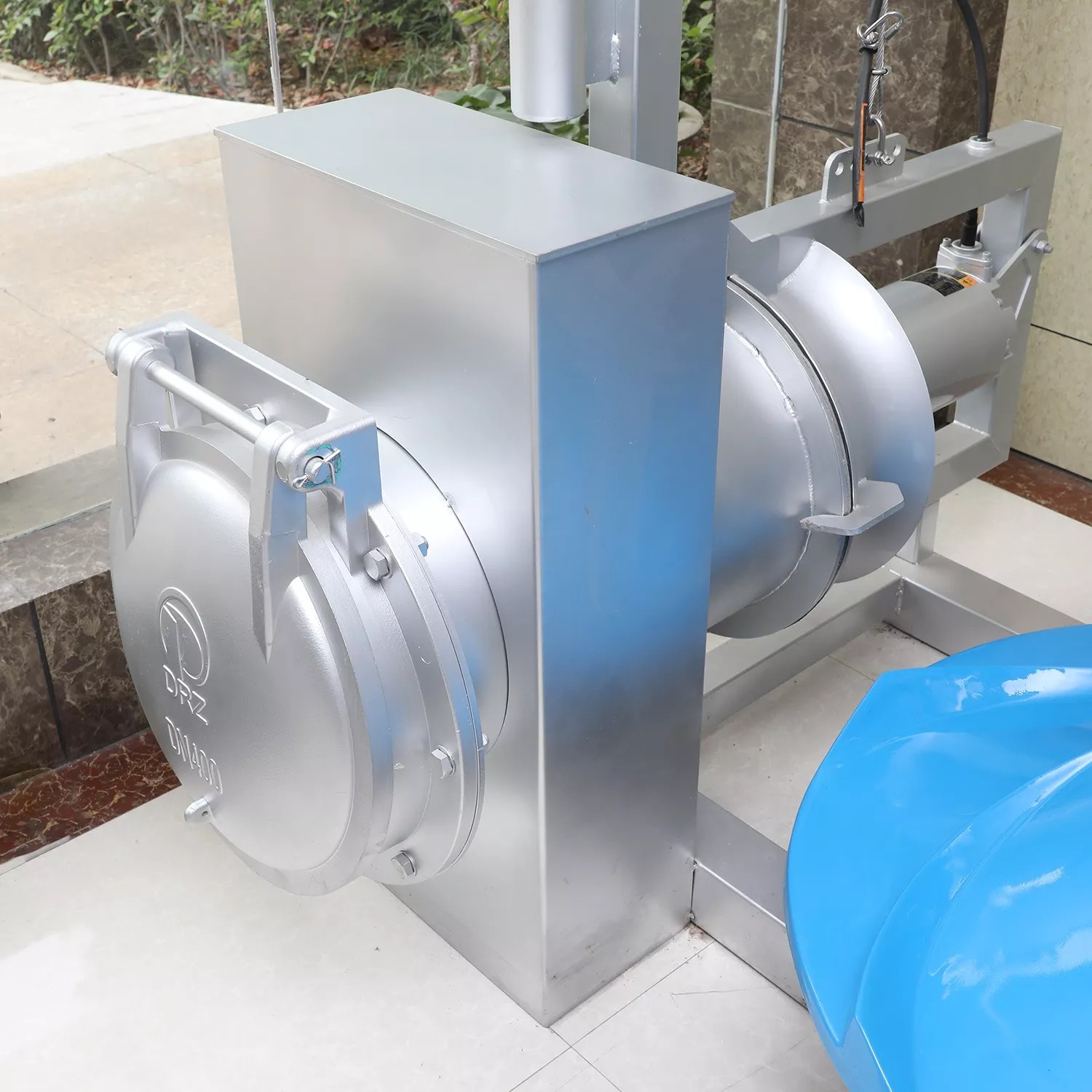
A submersible reflux pump is a specialized pump that operates entirely underwater, moving mixed liquids like sewage and wastewater in industrial settings. These pumps are engineered to handle large volumes of liquid while maintaining low energy consumption. Their main purpose is to facilitate the reclamation of mixed liquor, aiding processes like denitrification and phosphorus removal in sewage treatment plants. They are designed to ensure that water treatment processes function smoothly by continuously circulating fluids.
The Nitrate Reflux Pump, a specific variant, focuses on the removal of nitrates from treated wastewater. This feature is essential for ensuring that water released into natural ecosystems is free from harmful nitrogen compounds, which can otherwise contribute to pollution and environmental damage. The efficient operation of these pumps helps facilities comply with strict environmental regulations and protect water quality in surrounding areas. Submersible reflux pumps, like the Nitrate Reflux Pump, are vital for meeting regulatory standards in water treatment by ensuring that excess nitrogen and other pollutants are removed effectively.
Submersible reflux pumps offer several notable features that make them indispensable in water treatment and wastewater management:
| Feature | Description |
|---|---|
| High Efficiency | Designed for high-flow, low-lift applications, minimizing energy consumption while optimizing hydraulic performance. |
| Compact Design | Ideal for installations in tight spaces, reducing the need for additional space or infrastructure. |
| Corrosion Resistance | Made from durable materials that withstand harsh environments, ensuring longevity and reducing maintenance needs. |
Regular inspection of the pump’s casing and components can help identify early signs of wear and tear, which in turn helps prevent sudden failures and extends the pump's service life. Always prioritize preventive maintenance to avoid costly repairs down the line.
Submersible reflux pumps differ significantly from other types of pumps, particularly in their functionality and design:
| Aspect | Submersible Reflux Pump | Standard Submersible Pump |
|---|---|---|
| Design | Designed for wastewater treatment, including denitrification and phosphorus removal. | Primarily used for general fluid transfer. |
| Functionality | High-flow, low-lift operation ideal for mixed liquids. | Suitable for general applications, not specific to wastewater treatment. |
| Efficiency | Optimized for handling complex liquids with minimal lift. | May not be as efficient for complex fluid handling. |
When choosing a pump for a sewage treatment facility, it’s essential to consider the specific needs of your system—submersible reflux pumps are optimized for complex fluid management processes and can handle more challenging tasks than standard pumps.
The operation of a submersible reflux pump is driven by centrifugal force, which efficiently moves fluids through the system. The key components of this pump include:
Motor: The motor drives the impeller, initiating the fluid movement and ensuring continuous flow. The motor is typically designed to be submerged and sealed, preventing any water from coming into contact with electrical components, which could otherwise cause malfunction.
Impeller: The rotating impeller is responsible for drawing liquid into the pump and pushing it out through the discharge port. The impeller's design helps maintain the flow rate and ensures the smooth transfer of liquids, even in environments where the fluid is dense or contains solid particles.
Sealed Design: The pump’s sealed casing ensures that the motor and electrical components are protected from water and contaminants, ensuring reliability in demanding environments. The sealed design also prevents debris from interfering with the pump’s operation, which could lead to blockages or system failure.
The combination of centrifugal force and the pump's efficient hydraulic design ensures that it can handle mixed liquids, such as sewage, with ease. This makes the submersible reflux pump an essential component in water treatment systems.
Centrifugal force plays a crucial role in the operation of submersible reflux pumps. As the impeller spins, it generates a vortex that pulls water into the pump. This force increases the speed of the fluid, pushing it through the discharge port at a high pressure. The design of the pump ensures that this pressure is optimized for efficient fluid movement, even in systems that handle large volumes of liquid with low lift requirements.
Centrifugal pumps are often preferred for wastewater treatment because they provide a smooth, continuous flow, which is necessary for maintaining the efficiency of treatment processes. Their design also reduces the likelihood of clogging, which is especially important when working with mixed liquids and wastewater that may contain debris or solids.
Submersible reflux pumps are particularly designed for low-lift, high-flow applications, making them suitable for processes in water treatment plants where large volumes of fluid need to be moved quickly but with minimal vertical displacement. Their specialized design allows them to efficiently handle high flow rates with low energy consumption, making them both cost-effective and eco-friendly.
Low Lift: These pumps are designed to move water over short vertical distances, such as between different stages of a treatment process or from one part of a plant to another. This makes them ideal for facilities that require the circulation of fluids within a confined area or low-head environment.
High Flow: Despite the low lift, submersible reflux pumps can handle large volumes of water, which is essential for maintaining the flow in busy sewage treatment facilities or large drainage systems. Their ability to move large amounts of fluid ensures that they are up to the task in environments where large-scale fluid transfer is necessary.
Their ability to manage both high flow and low lift ensures that submersible reflux pumps are the ideal solution for applications like sewage treatment, flood control, and large-scale water management.
When selecting a pump for low-lift, high-flow systems, always check the pump's flow rate and head capabilities to ensure compatibility with your project needs. A mismatch could lead to inefficiencies or excessive energy use.
| Industry | Application |
|---|---|
| Water and Sewage Treatment | Used for moving mixed liquor in sewage treatment plants, aiding in denitrification and phosphorus removal. |
| Industrial Wastewater Treatment | Used in industries like manufacturing, food processing, and mining to handle wastewater. |
| Ground Drainage and Flood Control | Applied in drainage systems and flood control to manage stormwater and groundwater. |
| Specialized Applications | Used in river remediation, landscape water treatment, and cooling systems in industrial plants. |
Submersible reflux pumps are widely used in sewage treatment plants for moving mixed liquor, a vital step in biological treatment processes. The Nitrate Reflux Pump is particularly used to help remove excess nitrogen from treated water, improving water quality before it is released into the environment. These pumps are integral in processes such as denitrification, where nitrates are converted into nitrogen gas, preventing water pollution. Their ability to move large amounts of liquid with minimal energy consumption makes them ideal for both small and large-scale sewage treatment operations.
In industrial settings, these pumps are used to handle wastewater that needs to be processed before it can be safely disposed of or reused. Submersible reflux pumps are ideal for handling high volumes of water in industries such as manufacturing, food processing, and mining, where efficient wastewater management is crucial. Their compact design and robust performance make them a reliable solution for industrial wastewater management systems that require the circulation of fluids in confined spaces.
Submersible reflux pumps are also utilized in drainage systems and flood control measures. Their ability to handle high volumes of water efficiently makes them ideal for managing stormwater and groundwater in urban areas or construction sites. These pumps help prevent flooding and waterlogging, ensuring the safe movement of water away from vulnerable areas.
Beyond traditional wastewater treatment, submersible reflux pumps are used in river remediation projects, landscape water treatment, and cooling systems in industrial plants. These pumps help ensure the effective circulation of water in diverse applications, contributing to improved water management practices.
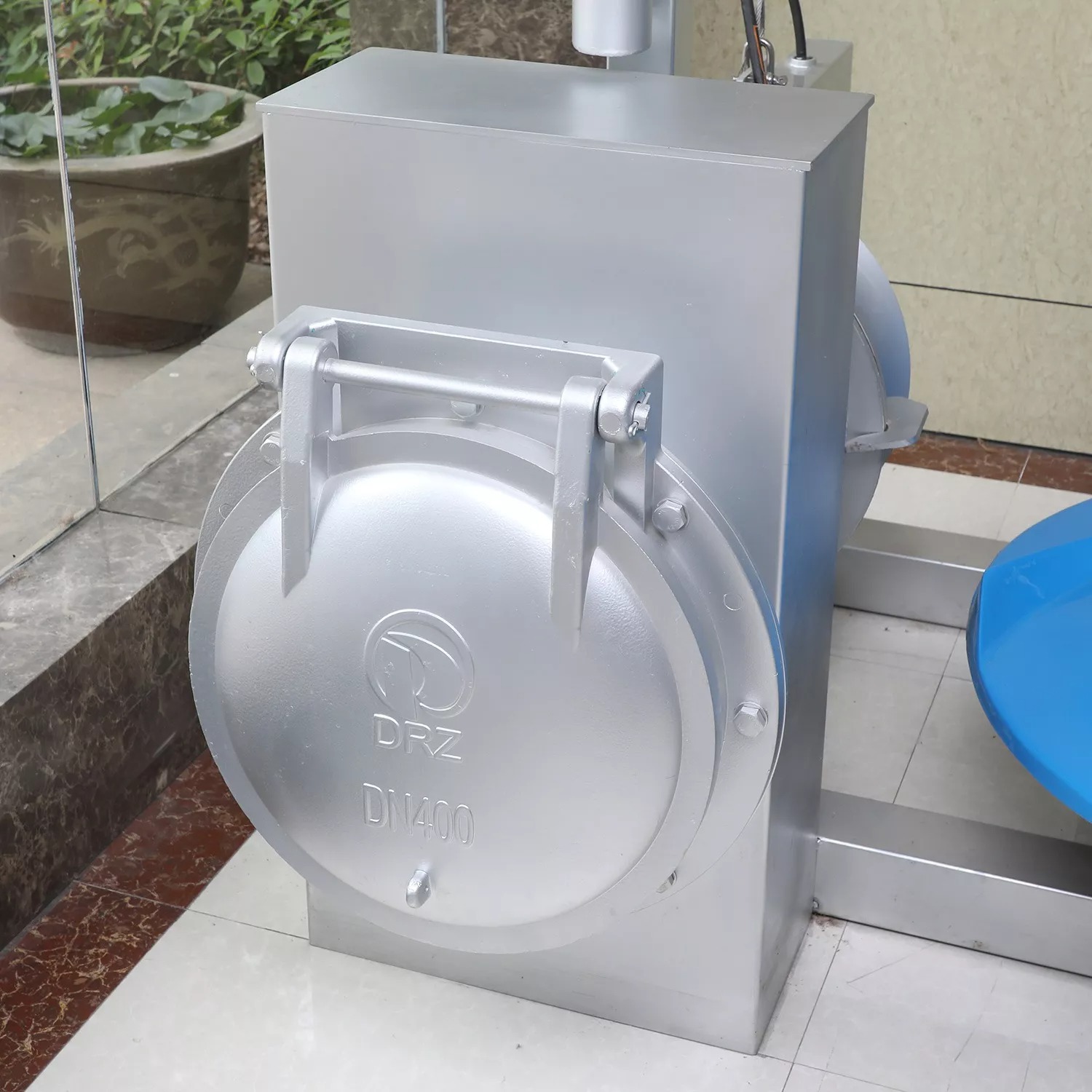
| Advantage | Description |
|---|---|
| Energy Efficiency | Optimized design that ensures minimal energy consumption, reducing operational costs. |
| Durability | Built with corrosion-resistant materials, ensuring long-term reliability. |
| Environmental Impact | Contributes to sustainable water management by reducing the environmental impact of wastewater disposal. |
| Reliability | Known for consistent performance even in demanding conditions, with quiet operation and low maintenance. |
The hydraulic design of submersible reflux pumps ensures minimal energy consumption while maintaining high performance. By optimizing fluid flow and reducing the energy required to move large volumes of water, these pumps help lower operational costs for businesses and water treatment plants. Their efficiency also contributes to sustainability efforts, as reduced energy consumption results in a smaller carbon footprint for the entire operation.
Submersible reflux pumps are built to last, with corrosion-resistant materials that allow them to function effectively in harsh environments. Routine maintenance involves simple inspections and periodic cleaning, which can significantly extend the lifespan of the pump and reduce the need for costly repairs. The materials used in construction are specifically selected for their ability to resist the damaging effects of continuous exposure to water and chemicals.
Using submersible reflux pumps contributes to sustainability efforts in water management. By improving the efficiency of water treatment systems, these pumps reduce the environmental impact of wastewater disposal and help meet strict environmental regulations. Their ability to remove pollutants like nitrates and phosphates ensures that treated water is safe for discharge into natural ecosystems, promoting environmental health and sustainability.
Submersible reflux pumps operate quietly, making them ideal for residential or noise-sensitive environments. Their reliability ensures consistent performance, even in demanding conditions like continuous sewage processing. The low noise output also minimizes disturbances in the surrounding environment, which is particularly important in urban areas or near residential buildings.
Properly maintaining these pumps helps to ensure reliable performance and reduces the risk of unexpected downtime, improving system efficiency and saving operational costs.
In wastewater treatment plants, submersible reflux pumps play a vital role in the removal of nitrates and phosphorus. These pumps circulate mixed liquor, aiding biological processes that break down contaminants and ensuring the treated water is safe for discharge. The Nitrate Reflux Pump is specifically designed to assist in denitrification, where excess nitrogen is converted into nitrogen gas, reducing the levels of harmful nitrates in the water.
The Nitrate Reflux Pump is essential in nitrogen removal processes. By helping to reduce nitrate levels in treated water, these pumps support compliance with environmental standards and contribute to maintaining water quality in surrounding ecosystems. Their high efficiency and ability to handle large volumes of fluid make them ideal for large-scale water treatment facilities.
Correct installation of submersible reflux pumps is crucial to ensure optimal performance. Proper alignment, submersion depth, and secure mounting are necessary to avoid issues like overheating or reduced flow. It is important to follow manufacturer guidelines and ensure that the pump is installed in an environment where it can operate efficiently without obstruction.
Routine maintenance includes checking for wear on seals and impellers, cleaning filters, and inspecting the motor for proper operation. Scheduled maintenance ensures that the pump continues to operate efficiently, extending its lifespan and reducing downtime. Regular inspections also help identify potential issues early, preventing costly repairs and system failures.
Common issues with submersible reflux pumps include reduced flow rates, abnormal noises, or power failures. Diagnosing and addressing these issues promptly can prevent long-term damage and keep the system running smoothly. Troubleshooting often involves checking for clogs, verifying motor function, and inspecting seals and electrical components for wear.
Submersible reflux pumps play a crucial role in modern water treatment. They provide high efficiency, durability, and environmental benefits. These pumps are invaluable for applications such as sewage treatment, flood control, and industrial wastewater management. By understanding their features and applications, businesses can optimize their investment in these essential systems. For companies like Nanjing LanLing Environmental Technology Co., Ltd., their submersible reflux pumps offer reliable, cost-effective, and sustainable water treatment solutions that meet industry needs.
A: A submersible reflux pump is a specialized pump designed to operate fully underwater, moving mixed liquids like sewage and wastewater. It is primarily used in water treatment processes such as denitrification and phosphorus removal.
A: A submersible reflux pump uses centrifugal force to move fluids. The motor drives the impeller, drawing liquid into the pump and pushing it out through the discharge port, ensuring efficient fluid movement in water treatment systems.
A: Submersible reflux pumps are crucial for handling large volumes of mixed liquor in sewage treatment plants. They help maintain continuous fluid circulation, aiding in essential processes like denitrification and phosphorus removal.
A: While both are used in wastewater treatment, a Nitrate Reflux Pump focuses on removing nitrates from treated wastewater, whereas the submersible reflux pump handles general fluid movement and supports biological treatment processes.
A: Regular maintenance of a submersible reflux pump involves inspecting seals and impellers, cleaning filters, and checking the motor to ensure proper function. Routine checks help extend its lifespan and prevent malfunctions.


