
- All
- Product Name
- Product Keyword
- Product Model
- Product Summary
- Product Description
- Multi Field Search
Please Choose Your Language
Views: 0 Author: Site Editor Publish Time: 2026-01-20 Origin: Site


Aeration is crucial for wastewater treatment, but how does it really work? Efficient aeration is key to removing pollutants and ensuring clean water.
In this article, we'll dive into the function of submersible jet aerators and their role in enhancing oxygen transfer. You’ll learn how these devices are transforming wastewater treatment processes for better efficiency and sustainability.
Aeration plays a key role in promoting aerobic microbial activity, which is crucial for breaking down organic matter in wastewater. By adding oxygen to the water, it supports the growth of aerobic bacteria, which are responsible for degrading pollutants such as organic compounds, nitrogen, and phosphorus. In wastewater treatment, aeration helps maintain the dissolved oxygen levels required by these bacteria, enabling them to perform their work efficiently. Effective aeration ensures that these microorganisms are active, reducing the sludge volume and producing cleaner water for discharge or reuse.
Additionally, aeration helps in reducing the formation of harmful substances like methane or hydrogen sulfide, which can arise from anaerobic processes. This ensures that the treatment process is both efficient and safe, minimizing the environmental impact of wastewater disposal.
Submersible jet aerators are advanced systems designed to perform both aeration and mixing simultaneously. These devices operate underwater, making them ideal for deep or confined spaces where traditional surface aerators may struggle. Unlike other aeration technologies, jet aerators create high-velocity water jets that induce air, enhancing oxygen transfer in the process. This means that even in large or deep tanks, where oxygen diffusion can be challenging, submersible jet aerators ensure optimal mixing and aeration.
By integrating the oxygen transfer and mixing functions in one device, submersible jet aerators improve the overall efficiency of the wastewater treatment system, reducing the need for additional equipment and maintenance.
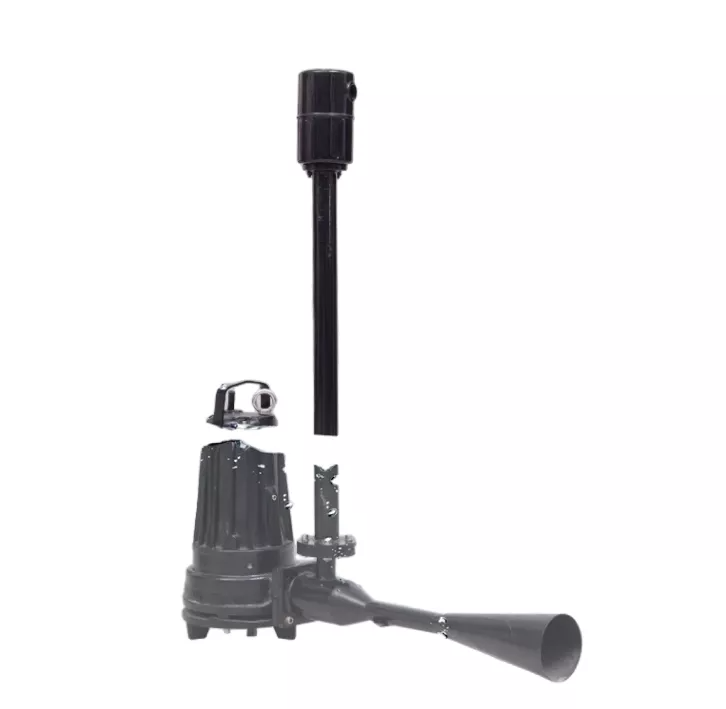
Submersible jet aerators rely on a simple yet efficient mechanism to provide oxygen to water. Their design integrates a motor, venturi system, and mixing nozzle to generate high-speed jets that draw air into the system and mix it with water. The high-speed jets create turbulence, ensuring that air and water are effectively combined, which helps increase the dissolved oxygen levels in the tank.
A typical submersible jet aerator consists of the following main components:
| Component | Description |
|---|---|
| Motor | Drives the water flow, creating the high-speed jets necessary for aeration. |
| Venturi System | Creates a vacuum effect, drawing air into the water stream for optimal oxygen transfer. |
| Mixing Nozzle | Ensures effective mixing of air and water, improving oxygen transfer efficiency and distribution. |
Together, these components work in harmony to increase dissolved oxygen levels and promote mixing throughout the tank, creating optimal conditions for biological treatment. The integration of the aeration and mixing functions in one device simplifies the system, reducing the need for additional components like compressors or blowers.
The aeration process begins when the motor drives water through the system, creating high-velocity jets. As the water passes through the venturi system, a vacuum is created, causing air to be sucked in. The air is then mixed with the water through the nozzle, resulting in an air-water mixture that is injected into the tank. This mixture increases dissolved oxygen levels and supports aerobic microbial activity, effectively treating the wastewater.
The high-speed jets created by the system ensure that the oxygen is thoroughly mixed into the water, promoting uniform oxygen distribution throughout the entire tank. This consistent oxygenation is essential for optimal biological treatment and wastewater purification.
Submersible jet aerators offer several functions that enhance wastewater treatment. These devices not only improve oxygen transfer but also provide efficient mixing, which is crucial for treating wastewater effectively. Their design allows them to work in deeper tanks or confined spaces where other aeration methods may not be as effective.
By generating high-velocity jets, submersible jet aerators ensure the efficient mixing of air and water. This maximizes oxygen transfer, which is critical for the microbial breakdown of organic waste. The mixing action prevents the formation of stagnant zones in the water, ensuring uniform oxygen distribution across the entire treatment area. This results in improved treatment efficiency, as oxygen is available throughout the tank to support microbial activity.
The high-velocity jets also promote the circulation of water, helping to keep suspended solids in motion and preventing them from settling at the bottom of the tank. This helps maintain the overall quality of the water and prevents the formation of sludge deposits.
These aerators also support aerobic conditions by maintaining the dissolved oxygen levels necessary for the growth of aerobic bacteria. Aerobic bacteria require oxygen to thrive and break down organic pollutants in the water. By ensuring that oxygen is consistently available, submersible jet aerators promote optimal microbial activity, which is essential for the biological treatment of wastewater.
Additionally, their ability to promote circulation helps keep solids suspended, preventing the formation of sludge deposits and ensuring the continuous movement of water through the system. This further enhances the efficiency of the wastewater treatment process and minimizes the need for additional cleaning or maintenance.
Submersible jet aerators are more effective than traditional surface aerators, particularly in deep tanks or confined spaces. While surface aerators rely on the movement of air across the surface of the water, submersible jet aerators operate fully submerged, offering better oxygen transfer at greater depths. They are ideal for large wastewater treatment plants or situations where space is limited.
Unlike surface aerators, which may struggle to aerate water effectively at greater depths, submersible jet aerators are designed to provide efficient aeration regardless of the water level. This makes them a versatile and reliable choice for a wide range of wastewater treatment applications.
| Feature | Submersible Jet Aerator | Surface Aerator |
|---|---|---|
| Oxygen Transfer | Superior oxygen transfer, especially at depth. | Limited effectiveness at greater depths. |
| Efficiency in Confined Spaces | Ideal for deep or confined spaces. | Not suitable for deep or confined spaces. |
| Energy Consumption | Lower energy consumption for better efficiency. | Typically higher energy consumption. |
| Installation Flexibility | Can be easily installed in small spaces. | Requires more space and equipment. |
Submersible jet aerators are versatile devices that can be applied in various wastewater treatment scenarios, from municipal treatment plants to industrial facilities. Their compact design and efficient performance make them suitable for a wide range of applications.
| Application Area | Description |
|---|---|
| Municipal Wastewater Treatment | Used in sewage treatment plants to ensure efficient oxygenation and mixing. |
| Industrial Wastewater Treatment | Applied in manufacturing, chemical plants, and food processing to treat effluent. |
| Sewage Lagoons | Used to improve oxygen levels and prevent sludge buildup. |
| Chemical Processing Facilities | Supports both biological and chemical treatment processes in industrial settings. |
These aerators are commonly used in wastewater treatment plants, sewage lagoons, and industrial applications. By providing efficient oxygenation and mixing, they help meet the strict environmental regulations for water quality. Their compact design makes them suitable for installations where space is at a premium, such as in municipal treatment plants with limited space for equipment.
Submersible jet aerators are also used in industrial facilities, where they are integrated into wastewater treatment processes to treat effluent from manufacturing processes, chemical plants, and food processing plants. They ensure that effluent is properly treated before being discharged or reused.
One of the major advantages of submersible jet aerators is their energy efficiency. Compared to surface aerators, submersible systems consume less energy while providing superior mixing and aeration. This makes them an attractive option for facilities looking to reduce operational costs while maintaining high treatment efficiency.
Additionally, because submersible jet aerators are self-contained systems, they eliminate the need for additional equipment, such as external compressors or blowers, which can consume significant amounts of energy.
Submersible jet aerators play a vital role in supporting both biological and chemical treatment processes. They help maintain aerobic conditions, which are essential for microbial activity, and also assist in the mixing of chemicals during treatment. This dual function makes them highly effective in various treatment scenarios, including nutrient removal, sludge treatment, and chemical oxidation processes.
Their ability to provide consistent oxygenation and mixing makes them an indispensable tool in modern wastewater treatment plants, ensuring that all treatment processes are carried out efficiently and effectively.
Submersible jet aerators offer a wide range of benefits, making them a preferred choice in many wastewater treatment facilities. Their efficiency, low maintenance, and environmental benefits make them an attractive option for organizations seeking to optimize their treatment processes.
| Benefit | Description |
|---|---|
| Efficient Mixing and Aeration | Prevents dead zones and ensures uniform oxygen distribution across the tank. |
| Cost and Energy Efficiency | Reduces operational costs by consuming less energy compared to traditional aerators. |
| Low Maintenance and Durability | Fewer moving parts and a robust design reduce maintenance needs and extend lifespan. |
| Environmental Benefits | Contributes to sustainability goals by reducing energy consumption and improving water quality. |
These aerators enhance the circulation of water and the dispersion of oxygen throughout the treatment tank. By effectively mixing the water, they prevent dead zones and ensure that all areas of the tank receive adequate oxygen. This results in more efficient wastewater treatment and better overall performance.
The ability to mix water and air simultaneously ensures that oxygen is distributed evenly throughout the tank, promoting optimal microbial activity and reducing the formation of sludge deposits.
Submersible jet aerators are more energy-efficient than traditional surface aerators. They reduce the need for external equipment, such as air blowers and compressors, which can significantly lower both capital and operational costs. This makes them an ideal choice for facilities looking to reduce energy consumption and optimize their treatment processes.
By consuming less energy while delivering superior performance, submersible jet aerators help reduce the overall cost of wastewater treatment operations.
With fewer moving parts exposed to the environment, submersible jet aerators require less maintenance and have a longer lifespan. Their robust design ensures they can operate in harsh conditions without significant wear and tear. This makes them a reliable and low-maintenance solution for wastewater treatment.
By choosing a submersible jet aerator with a durable design, facilities can reduce downtime and maintenance costs, ensuring continuous and efficient operation.
By reducing energy consumption and improving water quality, submersible jet aerators contribute to sustainability goals. They help minimize the carbon footprint of wastewater treatment operations and promote environmentally friendly practices.
Their ability to treat wastewater effectively while reducing energy consumption aligns with global efforts to improve environmental sustainability and promote resource conservation.
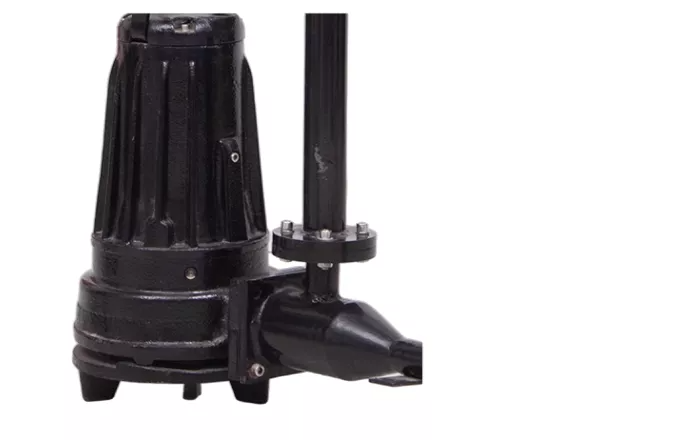
Selecting the right submersible jet aerator is crucial to optimizing wastewater treatment operations. The decision should be based on several factors, including site conditions, system requirements, and operational goals.
Before selecting a submersible jet aerator, it is important to evaluate the site conditions, including the size and depth of the tank, the oxygen demand of the wastewater, and the energy requirements. These factors will help determine the most suitable aerator for your facility. Proper evaluation ensures that the aerator you choose will provide optimal performance while meeting all operational needs.
Make sure that the submersible jet aerator you choose is compatible with your existing treatment infrastructure. Consider the ease of installation and how the system will integrate with other equipment in your plant. Compatibility with existing infrastructure will help streamline the installation process and reduce the need for additional modifications.
Consider the long-term maintenance requirements of the aerator. Choose a model that requires minimal upkeep and offers a long service life, reducing the need for frequent repairs or replacements. A durable, low-maintenance design will help ensure that your aerator operates efficiently for years to come, reducing the overall cost of ownership.
As the demand for sustainable and efficient water treatment solutions grows, submersible jet aerators are evolving to meet new challenges. Innovations in design and materials are improving their efficiency and performance, ensuring that they remain an essential tool in modern wastewater treatment.
Recent innovations in aerator design and materials are making these devices even more efficient. Advanced materials and improved aeration technologies are increasing the performance and lifespan of submersible jet aerators, ensuring they continue to meet the growing demands of wastewater treatment. These advancements also help to reduce maintenance needs and improve the overall reliability of the system.
There is an increasing global demand for eco-friendly and energy-efficient water treatment solutions. Submersible jet aerators are well-positioned to meet this demand, as they offer lower energy consumption and contribute to cleaner water discharge, supporting environmental sustainability. Their ability to operate efficiently while minimizing environmental impact makes them a key player in the future of wastewater treatment.
Submersible jet aerators are essential in modern wastewater treatment. They improve oxygen transfer, mixing, and reduce costs, making them a preferred choice. These aerators are energy-efficient, low-maintenance, and support biological treatment processes.
Their ability to operate in confined spaces and reduce energy usage adds significant value. Choosing the right aerator ensures efficient treatment, compliance, and sustainability. Consulting experts helps make informed decisions for optimal system performance.
Nanjing LanLing Environmental Technology Co., Ltd. offers submersible jet aerators that provide reliable and cost-effective wastewater treatment solutions, ensuring high performance in various applications.
A: A submersible jet aerator is a device used in wastewater treatment. It combines aeration and mixing by creating high-speed jets that introduce air into the water, improving oxygen transfer for biological treatment.
A: A submersible jet aerator uses a motor to create high-speed water jets. These jets induce air, which is then mixed with water, increasing dissolved oxygen and supporting microbial activity for effective treatment.
A: Submersible jet aerators are more efficient at oxygen transfer, especially in deeper or confined spaces. Unlike surface aerators, they operate fully submerged, ensuring better aeration and circulation throughout the water.
A: Submersible jet aerators provide efficient oxygen transfer, reduce energy use, require less maintenance, and are ideal for confined spaces. They help improve the overall efficiency of wastewater treatment systems.
A: By maintaining optimal oxygen levels, submersible jet aerators enhance aerobic microbial activity. This promotes the breakdown of organic pollutants, improving wastewater treatment efficiency.


